
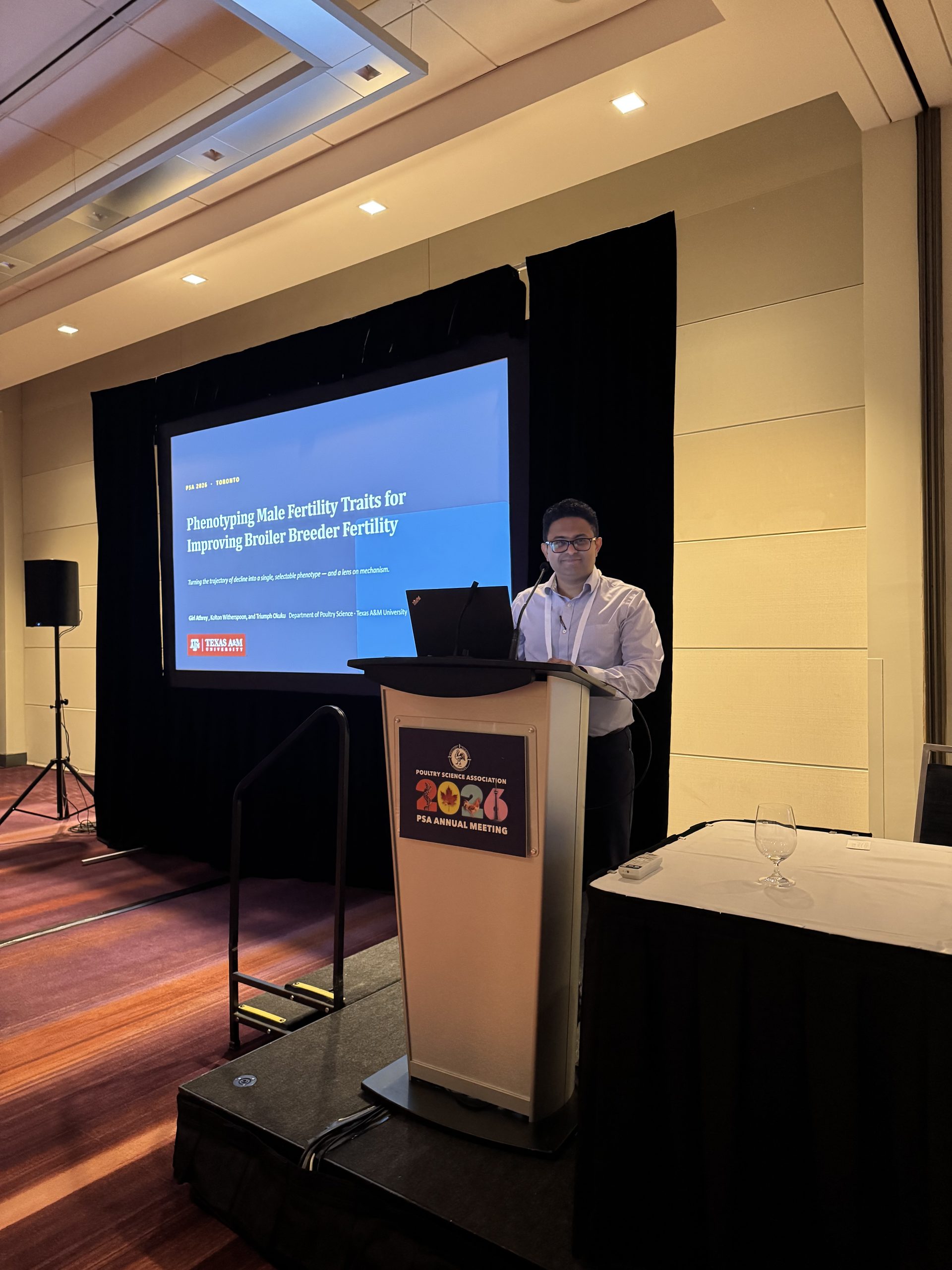
Athrey chairs session at PSA Toronto
PI Athrey chaired the Physiology and Reproduction session at the Annual Poultry Science Association meeting in […]
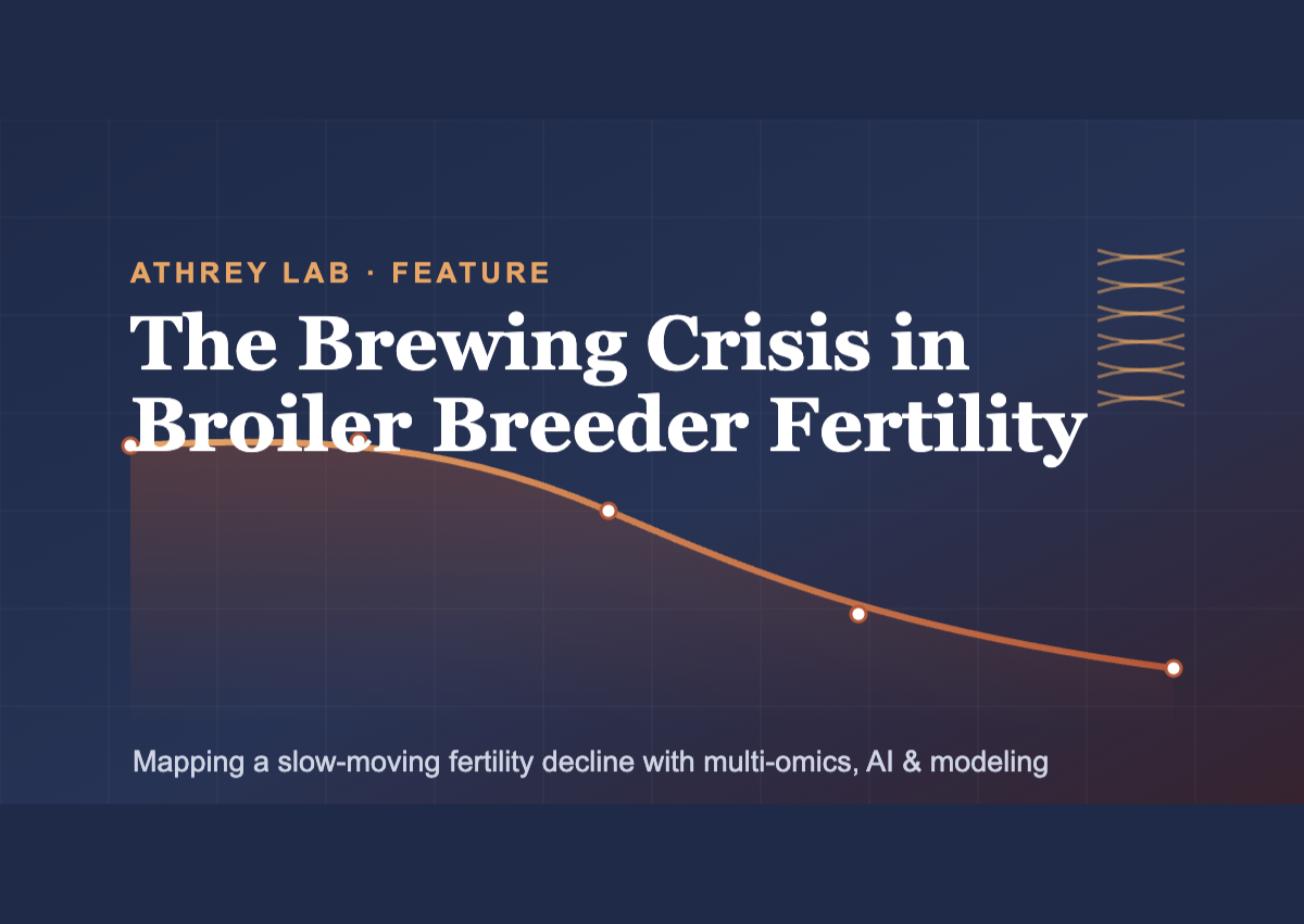
A New Feature: The Brewing Crisis in Broiler Breeder Fertility
We have just published a new feature article on the lab website that pulls together one […]
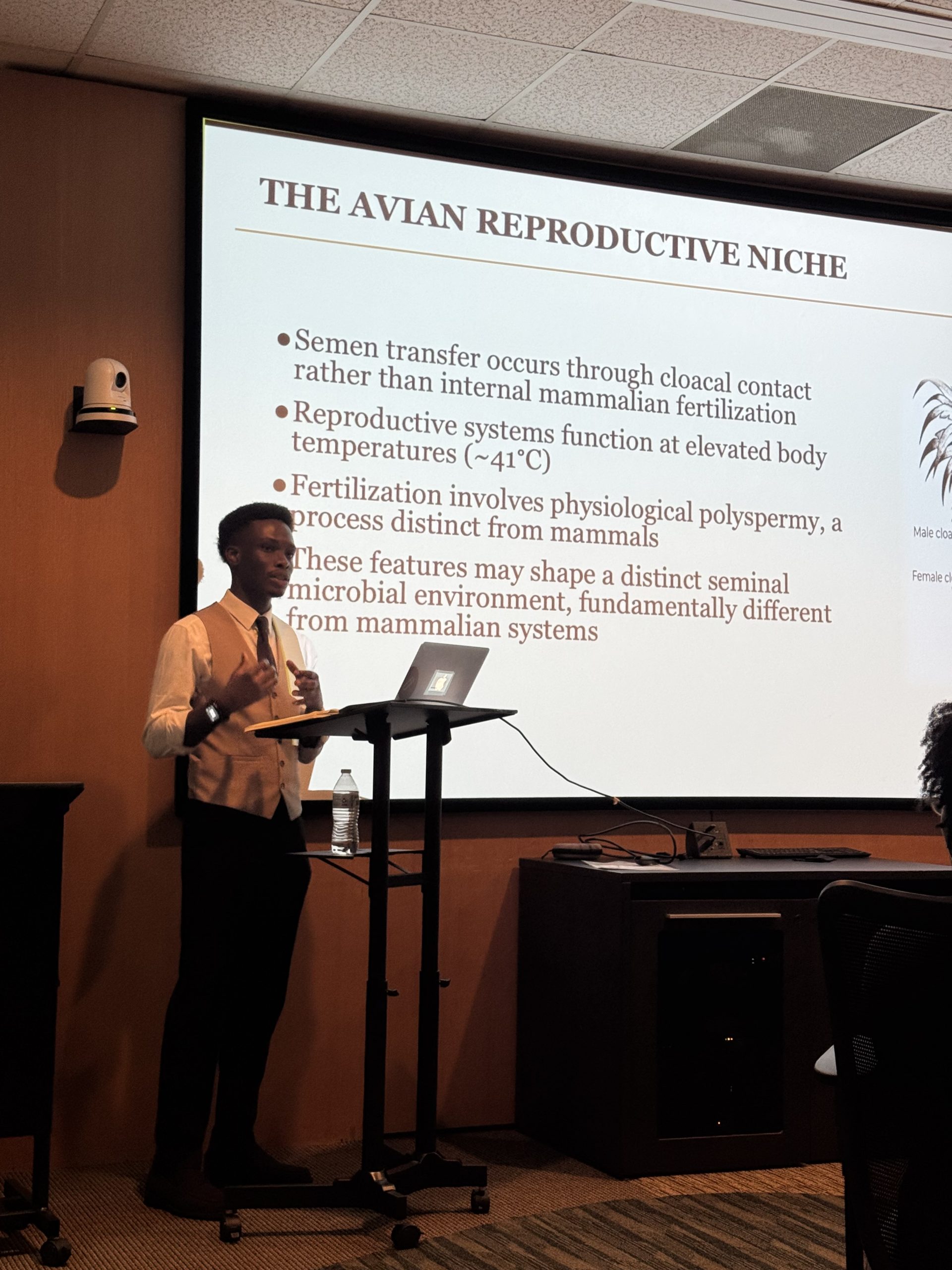
Triumph Okuku M.S. Defense
Congratulations to Triumph Okuku on successfully defending his M.S. thesis titled “Temporal Dynamics of the Semen […]
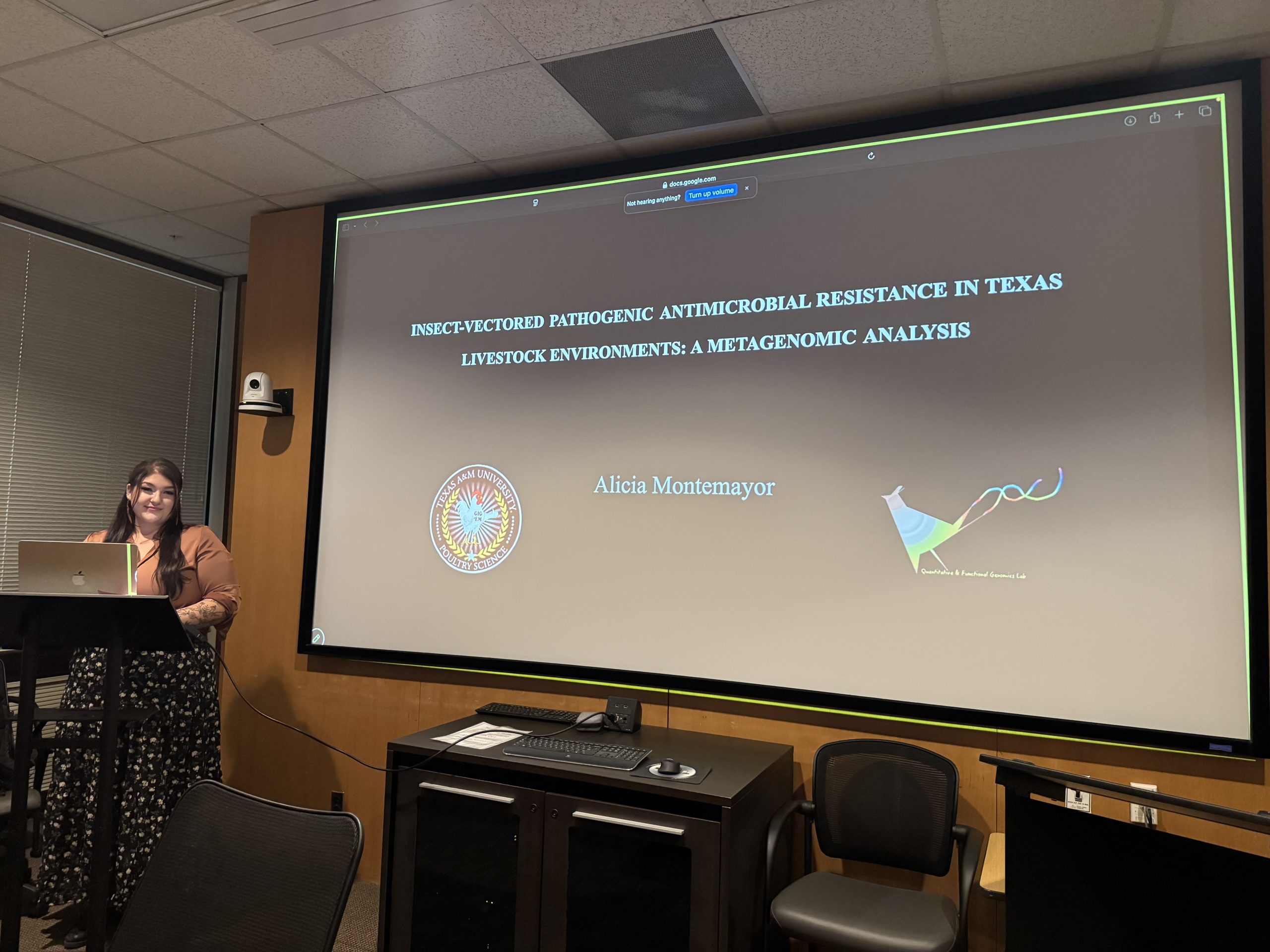
Alicia Montemayor M.S. Defense
Congratulations to Alicia Montemayor on successfully defending her M.S. thesis titled “INSECT-VECTORED ANTIMICROBIAL RESISTANCE IN TEXAS […]
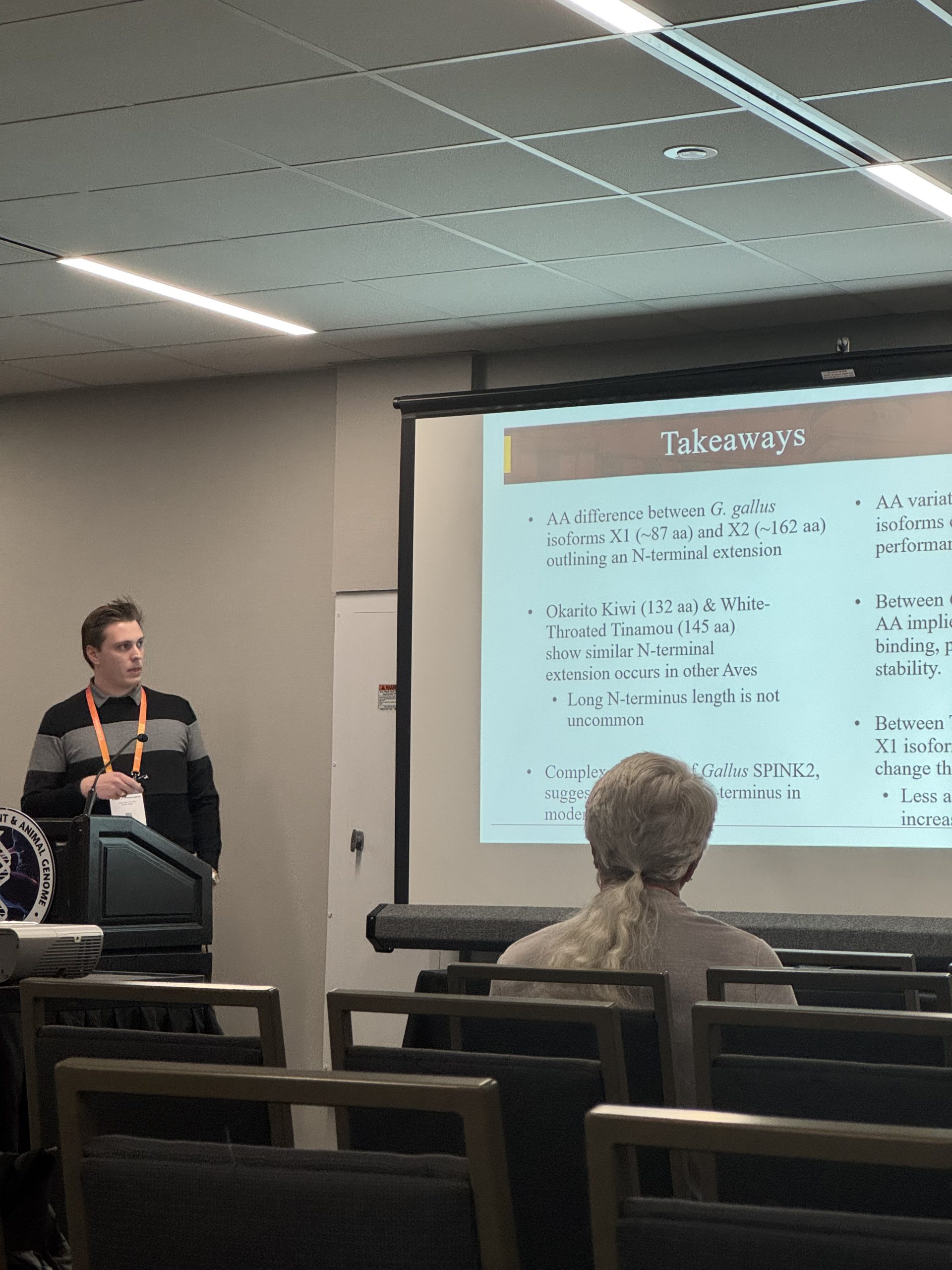
Athrey lab at the PAG 2026
Our lab was well represented at the 2026 Plant and Animal Genome Conference (PAG) in San […]
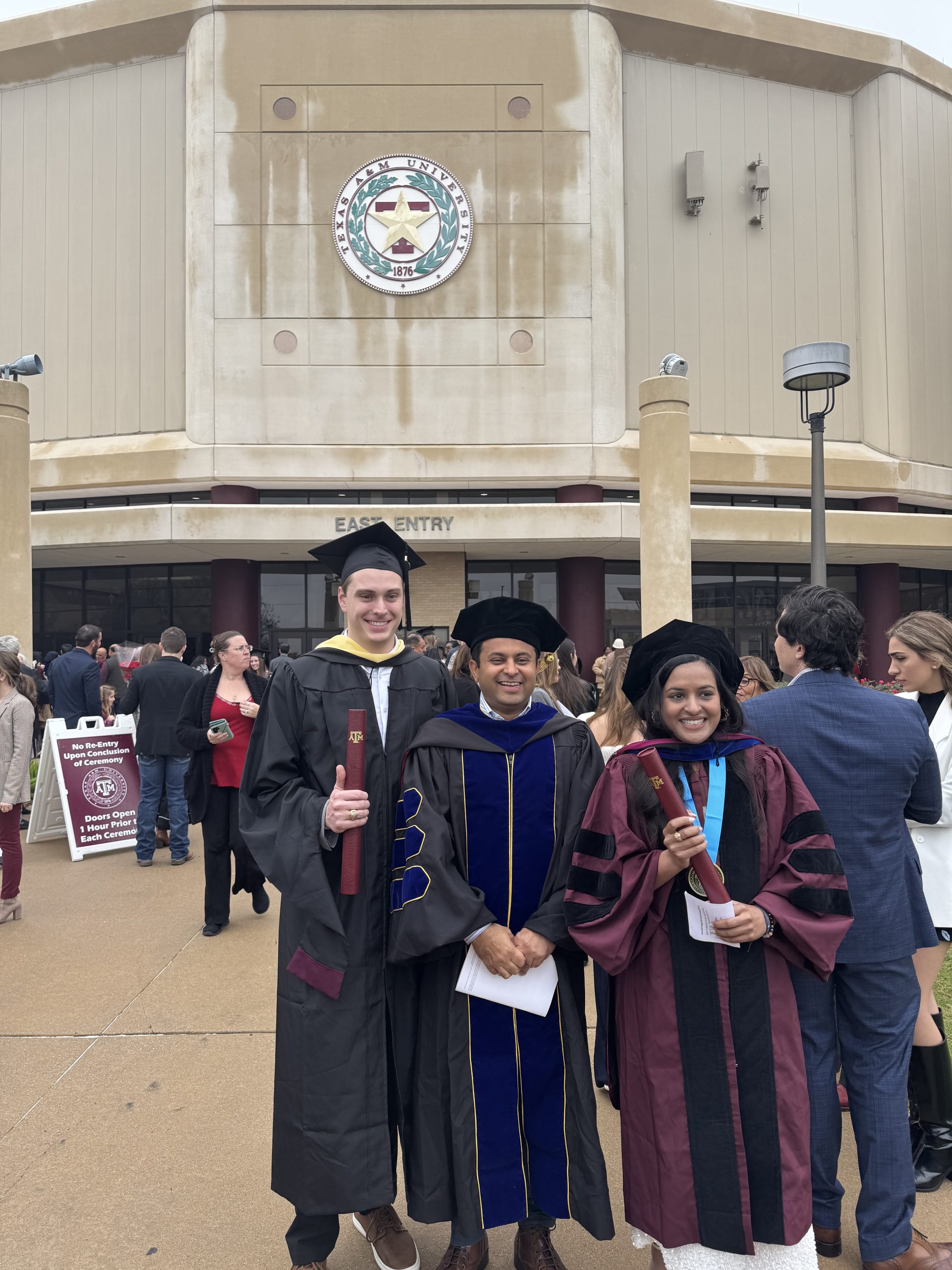
2025 Fall Commencement
On December 17, 2025, we were thrilled to celebrate a major milestone for two members of […]
New Paper on Breeder Male Fertility
We are excited to announce the publication of a new paper from our lab exploring the […]
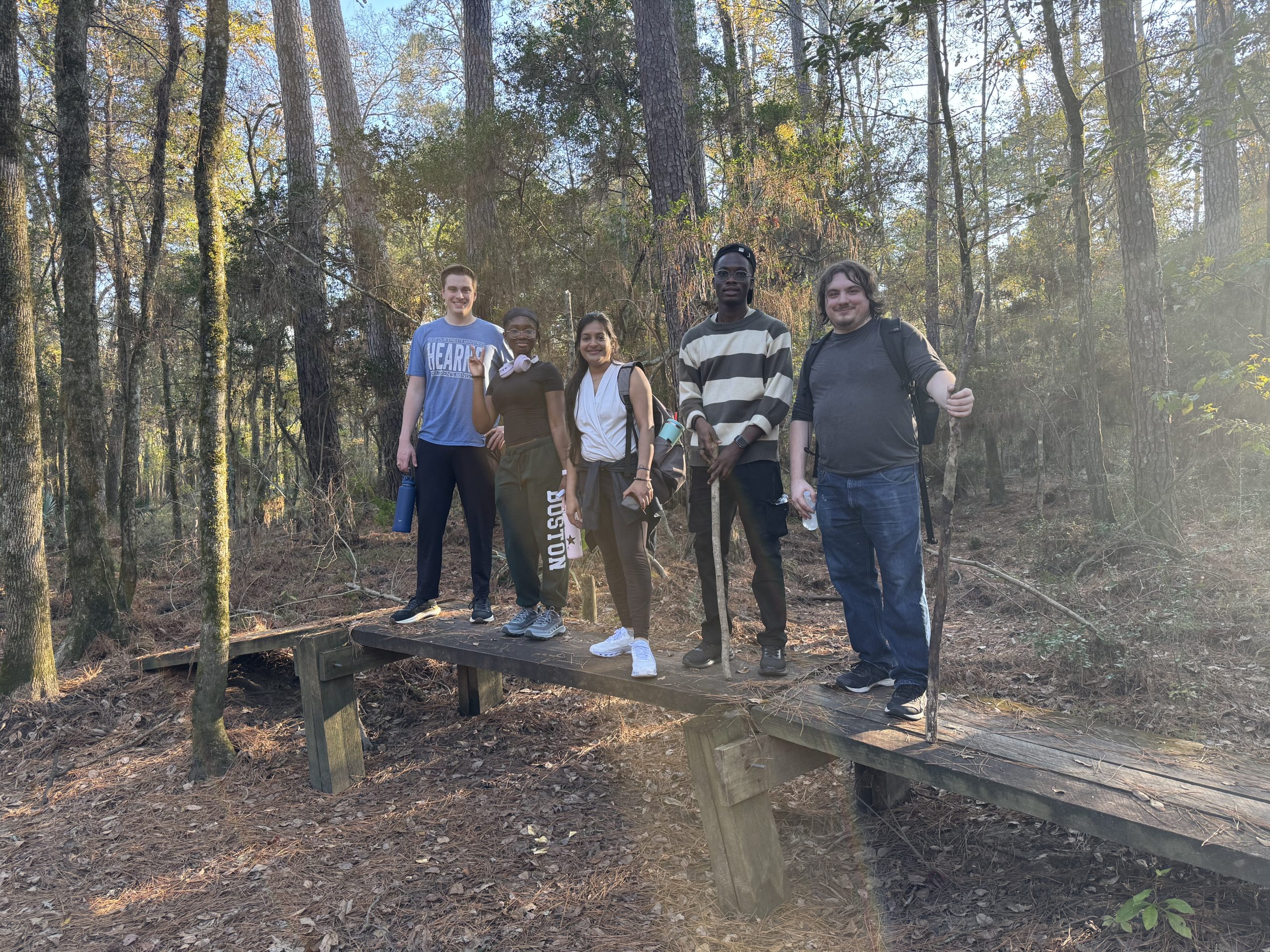
A different kind of lab outing
To close out the year, our lab traded the usual restaurant lunch for something a little […]
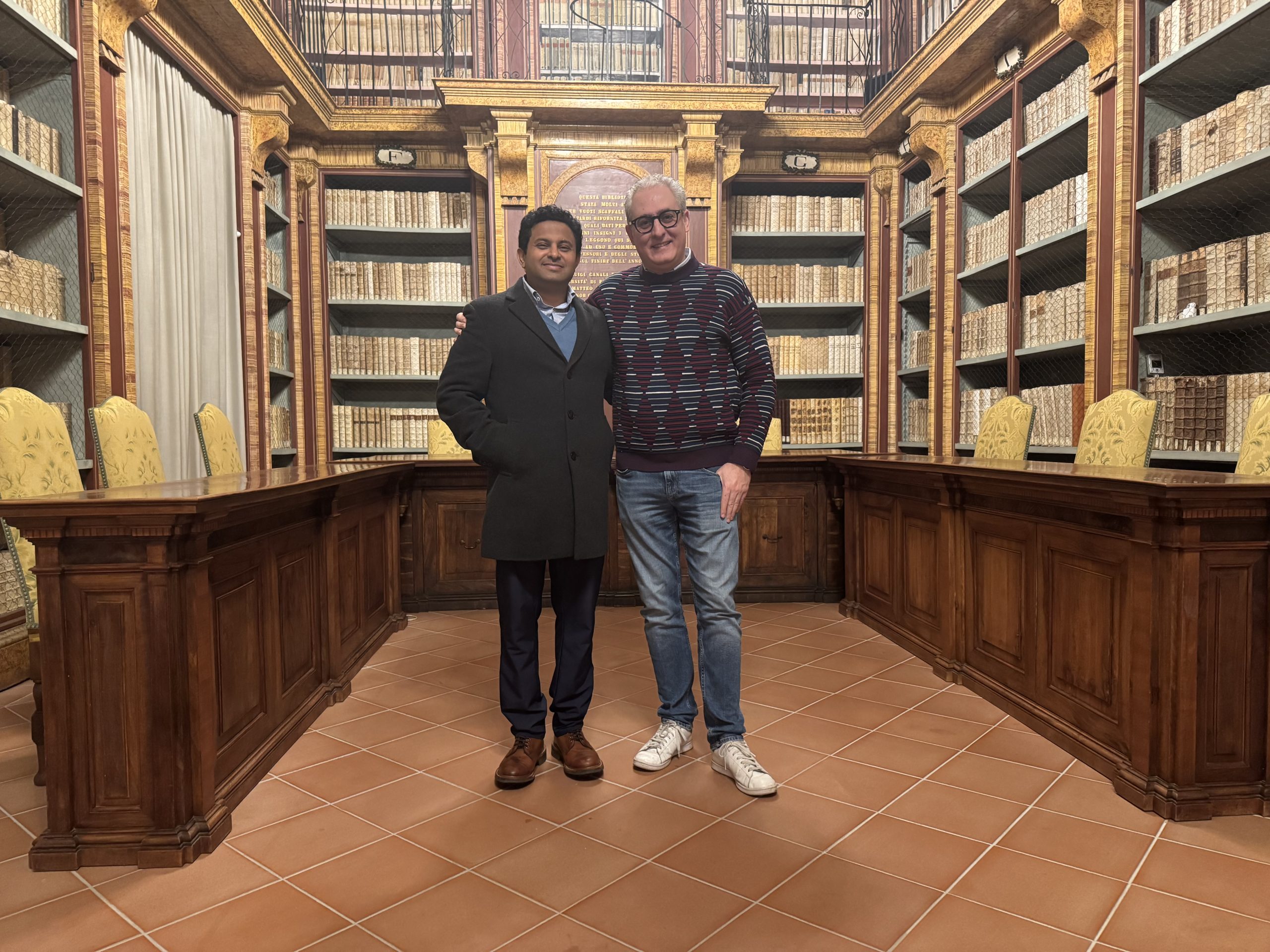
Invited visit to the University of Perugia
In early December 2025, I had the pleasure of visiting the University of Perugia in Italy […]
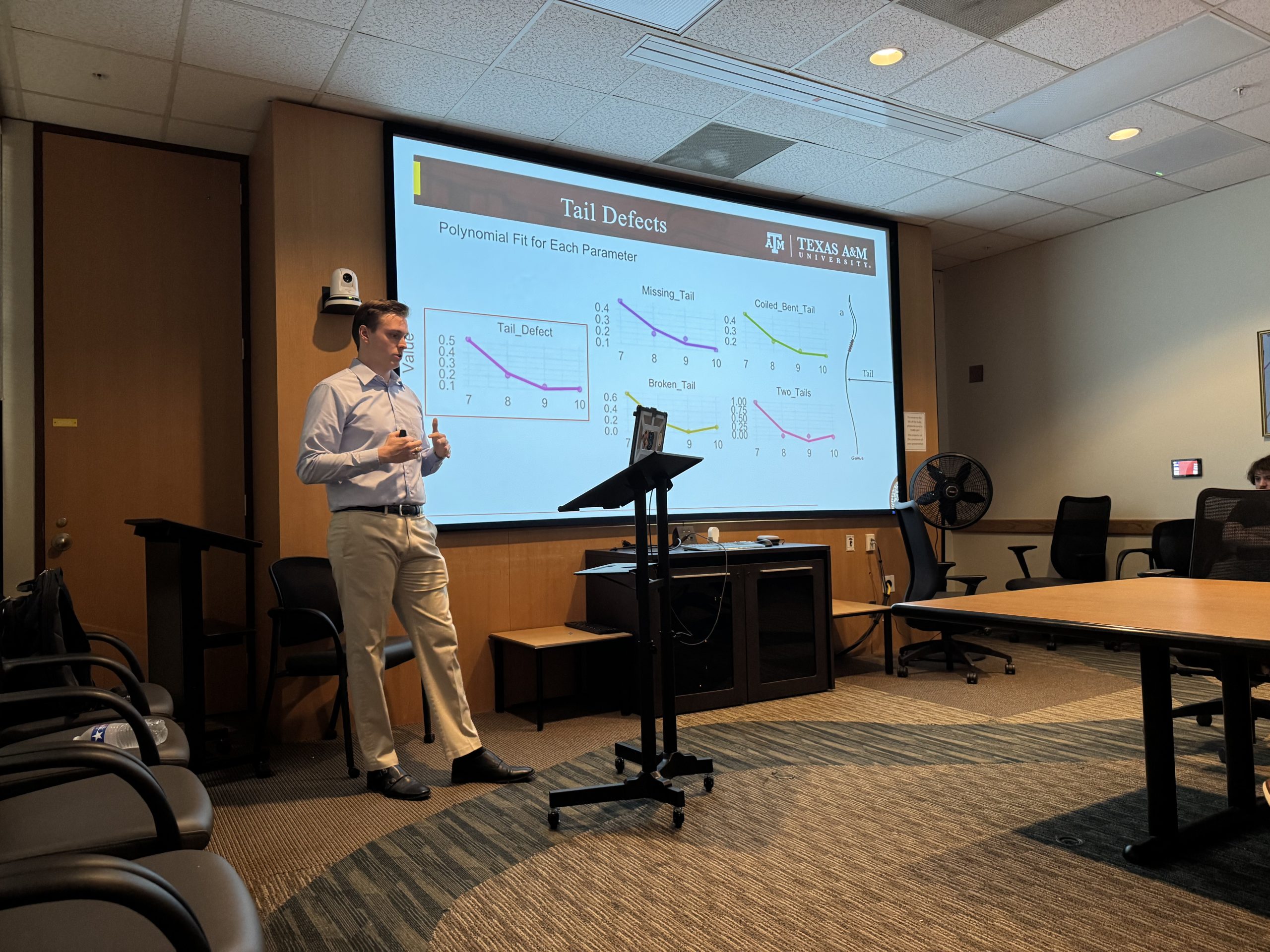
Kolton Witherspoon M.S. Defense
Congratulations to Kolton Witherspoon on successfully defending his M.S. thesis titled “Identifying Spermatozoa Features for Fertility […]